- Introduction
- What is Machine Learning?
- Tuning a Machine Learning Model
- Evaluating Model Performance
- Runtimes and Compute Requirements
- Selecting the Right AI/ML Problems
- Best Practices in Prototyping
- Problem Scope and Timeframes
- Cross-Functional Teams
- Getting Started by Visualizing Data
- Common Prototyping Problem – Information Leakage
- Common Prototyping Problem – Bias
- Pressure-Test Model Results by Visualizing Them
- Model the Impact to the Business Process
- Model Interpretability Is Critical to Driving Adoption
- Ensuring Algorithm Robustness
- Planning for Risk Reviews and Audits
- Best Practices in Ongoing Operations
- Building a Strong Team
- About the Author
- References
- Download e-Book
- Machine Learning Glossary
Runtimes and Compute Requirements
Programming Languages for Machine Learning
Python has become the most widely adopted programming language for machine learning. Data scientists choose different programming languages based on ease of use, simplicity in programming syntax, number of machine learning libraries available, integration with other programs like cloud infrastructure or visualization software, and computational speed and efficiency.
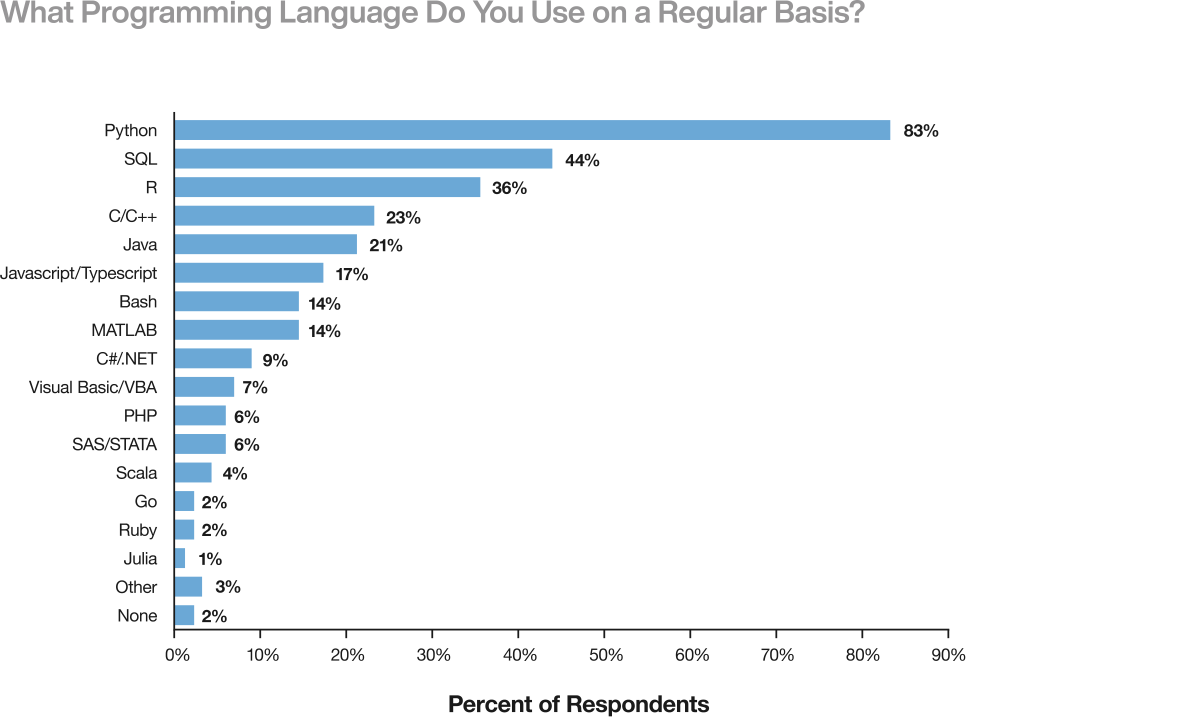
Figure 19 Data scientists have many options for programming languages to develop machine learning models. Python has become a popular choice.
Note: Data are from the 2018 Kaggle Machine Learning and Data Science Survey. A total of 18,827 respondents answered the question.

